
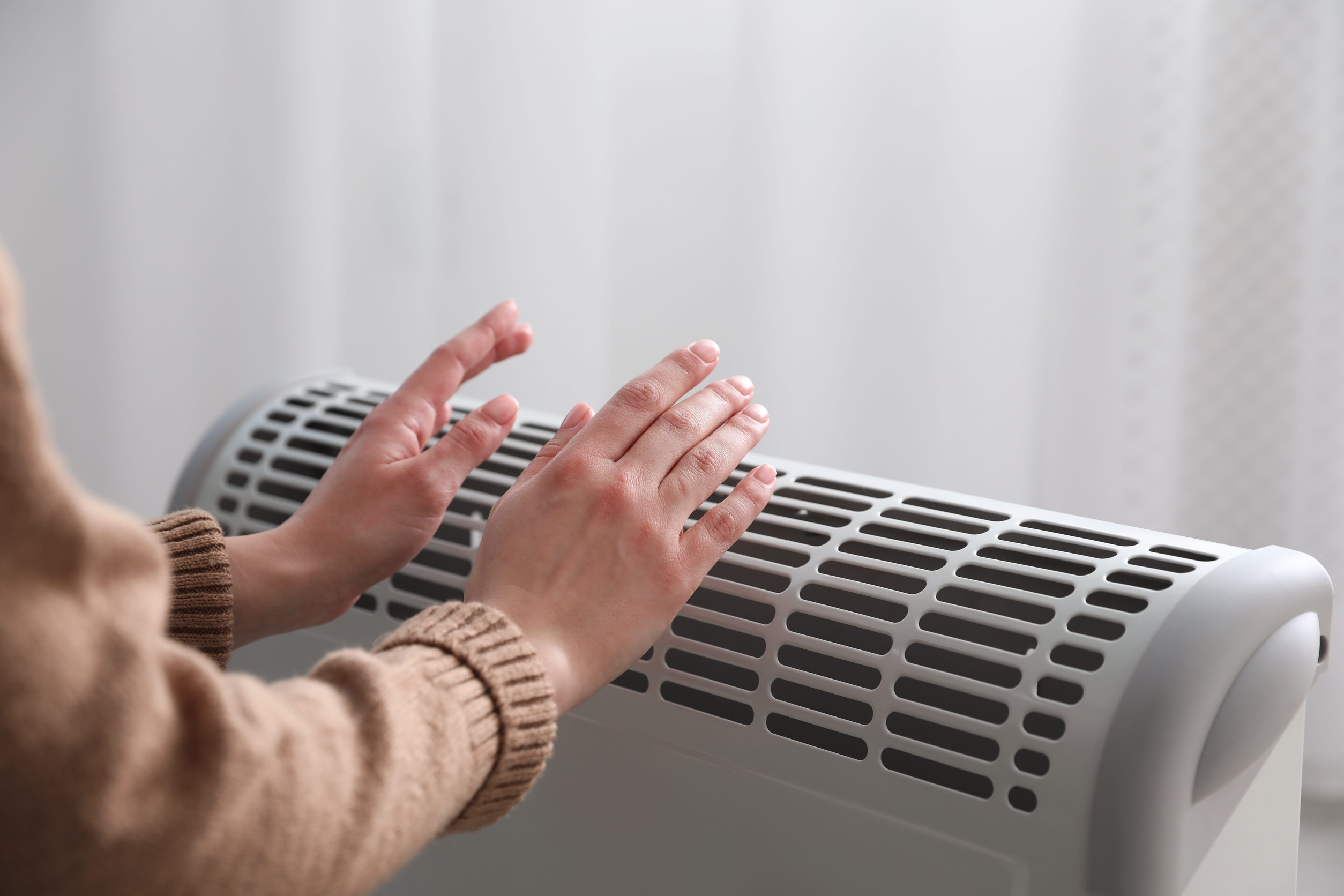
There's a particular kind of fall morning in Roanoke, Virginia where you step outside, feel that first real bite in the air rolling off the Blue Ridge, and realize your HVAC system hasn't run since April.
That gap between "still mild" and "suddenly cold" tends to be shorter here than people expect. With the average first frost typically arriving in late October, homeowners who wait until they actually need heat are often the ones scrambling to book a repair once temperatures drop.
This fall HVAC maintenance checklist for Roanoke homeowners is designed to close that gap. It walks through the practical steps to prepare your heating system for winter, whether you're running a furnace, a heat pump, or a mini split, so small issues get caught in September and October instead of turning into a no-heat emergency in December.
Key Points
1. Replace Your Air Filters
Replacing or cleaning your air filters is one of the easiest first steps in ensuring your HVAC system is ready to take on whatever Roanoke's fall and winter have to offer.
A clean filter helps your HVAC system run more efficiently by keeping air flowing freely, reducing energy waste, and improving your home's indoor air quality. When a filter becomes clogged, your furnace or heat pump has to work harder to push air through it. That extra strain can increase your AEP energy bill and put unnecessary wear and tear on your system over time.
In the Roanoke Valley especially, fall allergens like ragweed, mold from fallen leaves, and seasonal pollen can also make their way indoors, so replacing your filter before heating season begins can help keep your home's air cleaner and reduce allergy symptoms.
It’s usually recommended to replace your filters every 90 days. However, if you have pets or suffer from allergies, a more frequent change can be beneficial.
2. Test Your Thermostat
Nothing is worse than your heating failing right when you need it most. Turn on your heating before the cold months to test how your thermostat responds. Does it maintain the correct temperature, or does it cycle on and off more than it should?
This is also a good time to consider upgrading to a programmable or smart thermostat. These give you greater control over your home's heating and help you save on energy bills, which matters most during the coldest stretches of a Roanoke winter when AEP rates and usage both climb.
3. Check for Unusual Sounds or Smells
When you're testing your HVAC system, or even whenever you're running it, be on the lookout for anything out of the ordinary. Do you hear banging, squeaks, or rattles that weren't there before? And do you smell something burning?
A furnace that smells like it's burning the first time you turn it on for the season is often just dust burning off the heat exchanger, which usually clears within an hour. But if the smell lingers, gets stronger, or smells like burning plastic or gas rather than dust, shut the system off and call a professional right away. Catching warning signs like these early can help you prevent more intensive damage, and in some cases, a genuine safety hazard, down the road.
4. Inspect & Clean Outdoor Units
If you have an outdoor unit, whether it's a traditional AC condenser or the outdoor component of a heat pump or mini split, check to make sure it's clear of debris like leaves, pine straw, or fallen branches. Roanoke's tree-lined neighborhoods mean this step matters more here than in a lot of places.
There should be at least two feet of clearance on all sides of the unit for proper airflow. Giving it room to breathe helps prevent strain and damage over the long run, especially once heat pumps start pulling double duty as temperatures drop.
5. Clear Air Vents & Ducts
Your air ducts and vents are a crucial part of your HVAC system. Make sure all air vents throughout your home are clear and unobstructed. Furniture, rugs, and curtains pushed up against a vent can put unnecessary strain on your system and lead to uneven heating room to room.
Likewise, make sure your air ducts themselves are clean and clear. This improves airflow and reduces the dust and allergens that get circulated through your home once you start running the heat regularly.
6. Inspect Insulation & Weather Stripping
Don't let your warm air escape through gaps around your windows and doors. Roanoke's older homes, including many of those in Old Southwest, Raleigh Court, and South Roanoke, often come with decades-old weather stripping that has worn down and started letting drafts in.
Check your insulation and weather stripping to make sure your home is sealed up tight before the heat tries to creep out and the cold tries to creep in. Even newer homes benefit from a quick check around attic access points and exterior doors.
7. Check Your Safety Devices
Safety should always be part of your fall HVAC maintenance checklist. Test your carbon monoxide and smoke detectors and replace the batteries if needed. This is especially important once furnaces and gas-fired systems start running again after months of sitting idle.
8. Consider Your System’s Age
HVAC systems typically have a lifespan of 10 to 15 years. If your furnace or heat pump is approaching that age, and you've noticed small issues popping up more frequently, it may be time to start planning for a replacement rather than waiting for a mid-winter breakdown.
A newer, high-efficiency system can lower your energy costs and provide more reliable comfort during Roanoke's colder months, which is worth factoring in given how much winter heating demand can affect your AEP bill.
9. Schedule a Professional Inspection & Tune-Up
Before cold weather arrives, have your furnace or heat pump professionally inspected. A fall furnace tune-up can identify worn parts, dirty burners, refrigerant issues, or airflow problems before they become mid-winter emergencies.
HVAC companies in the Roanoke area often book quickly once the first cold snap hits, so scheduling in September or early October is ideal. Some HVAC preventative maintenance programs are designed to provide two annual tune-ups—one in the spring to prepare for summer, and one in the fall to prepare for winter. That way, you can stay on top of regular maintenance without the hassle of remembering to schedule an appointment yourself.
Getting your HVAC system ready for winter doesn't have to be a hassle, but it does have to happen before the cold arrives, not after. Working through this fall HVAC maintenance checklist for Roanoke homeowners now, while temperatures are still mild, gives you time to catch minor issues. This will help you keep your energy bills in check and avoid the scramble that comes with a heating failure on the season's first genuinely cold night.