
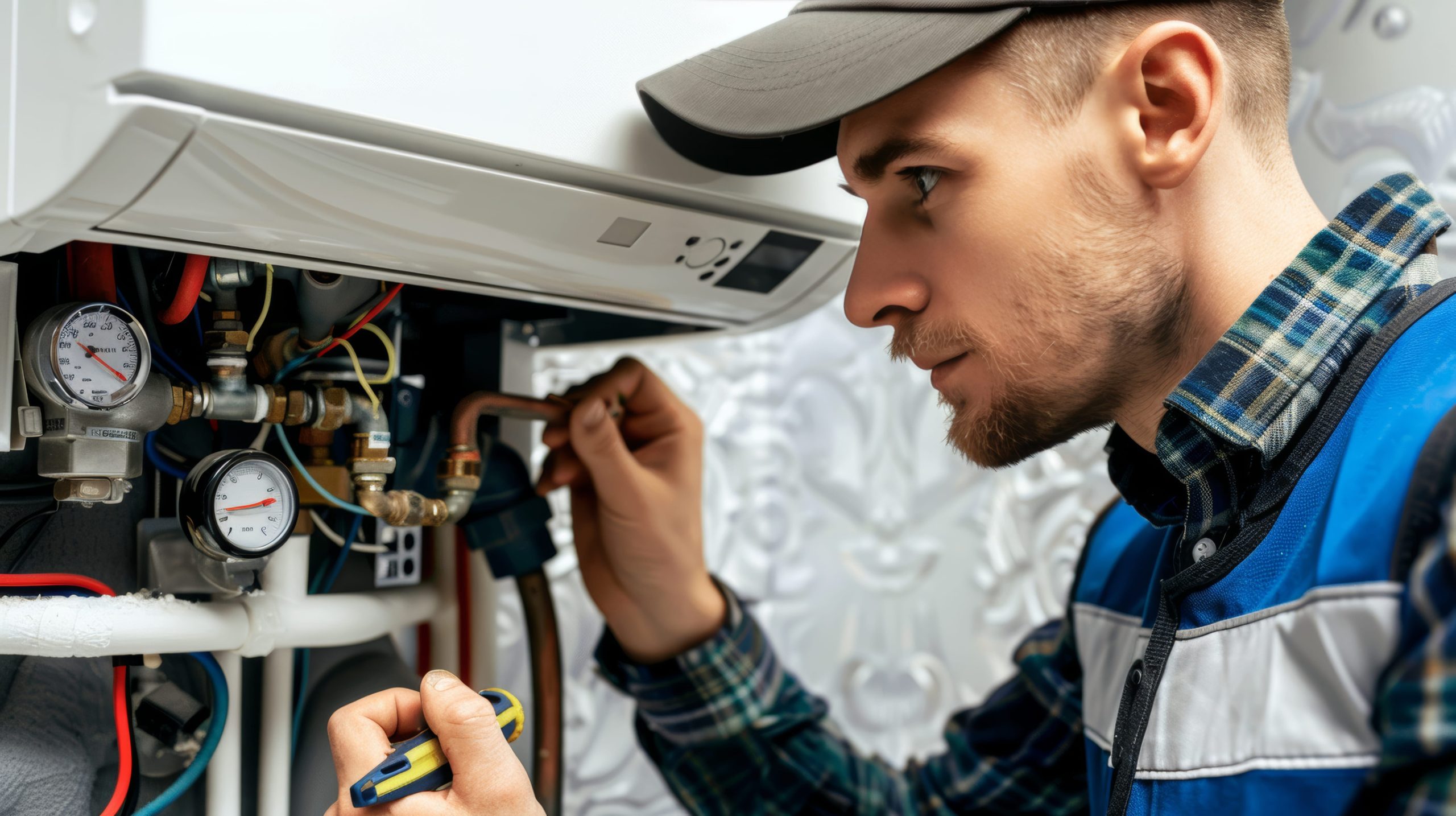
Your HVAC system is one of the hardest-working systems in your home, and it can fail at the worst possible times. But how do you know when you're dealing with a true crisis versus a problem that can wait until Monday morning?
When it comes to determining if your HVAC problem is an emergency or not, there are a few signs to keep in mind—including system failures, unusual smells, sparks or smoke, and loud sounds.
If you find yourself wondering, “Do I need emergency HVAC service?”—this guide will help clear things up and keep you safe.
Signs You Need Emergency HVAC Service
While there are some HVAC problems that can wait until a pre-scheduled service visit or your next routine maintenance check, some situations can become dangerous if not dealt with immediately. If you experience any of the following situations, it’s likely you need to call in emergency HVAC services.
System Failures During Extreme Temperatures
If your heating or cooling system fails during a heat wave or a deep freeze, this is an emergency, no question. Whether it completely shuts down or starts showing signs of failure, having no temperature control during extreme temperatures is an emergency.
These temperatures can be life-threatening, especially for the elderly, young children, and anyone with a medical condition. Prolonged exposure to severe heat or cold indoors can lead to heat exhaustion, hypothermia, and other serious health risks.
Don't wait it out. If temperatures inside your home are climbing dangerously high or dropping below safe levels and your HVAC isn't responding, call for emergency service immediately.
Unusual Smells
Your HVAC system should be essentially odorless during normal operation. Any unusual smell is a warning sign, but certain odors demand immediate action:
- Burning smell: A burning odor, especially one resembling melting plastic or rubber, can signal an overheating motor or failing components. This is a potential fire hazard and should never be ignored.
- Gas smell: If you smell rotten eggs or sulfur near your HVAC or gas lines, you may have a gas leak. Leave the house immediately, avoid using any switches or open flames, and call your gas company and emergency services from outside.
- Electrical smell: A sharp, acrid smell similar to burning wires is a red flag for electrical failure. Shut down the system and call for emergency service right away
Seeing Sparks or Smoke
If you see sparks flying from your HVAC unit or smoke coming from any part of the system, shut it off immediately using the disconnect switch or circuit breaker. Do not attempt to inspect or repair it yourself. Even taking a closer look can prove to be exceedingly dangerous to yourself and your home.
Call 911 if you see or believe there is any risk of fire, then contact an emergency HVAC technician. Sparks and smoke indicate a serious electrical or mechanical failure that poses an immediate danger.
Unusual Sounds From Your System
While your HVAC may make the occasional bump or clank throughout the day—loud, unusual, or persistent noises can be a sign that you need emergency HVAC services.
Sounds like screeching or buzzing could signal mechanical or electrical issues with your system, which can cause further damage if left unattended. If these sounds appear suddenly and are accompanied by reduced performance, strange smells, or visible issues, treat it as an emergency.
When It Can Wait (But Still Needs Attention)
Again, not every bump or dip in performance constitutes an emergency. While they may be inconvenient, some problems simply need a maintenance check or repair sometime soon.
Non-emergency situations include:
- System running less efficiently than it should be
- Thermostat seems miscalibrated
- Musty smell (Not burning or gas)
- Slight rattle sound
- Mild water leakage around unit
However, even non-emergency issues shouldn’t be ignored. A small refrigerant leak, a clogged filter, or a failing capacitor won't fix itself, and the longer you wait, the more costly damage can compound.
Tips for an Emergency
If you do have an emergency situation, there are a few steps you can take to lessen any potential damage.
- Turn off your system, especially if you see sparks or smoke or smell a burning smell.
- Evacuate the building if there is a gas smell. A gas leak can be fatal or lead to a larger emergency.
- If your system shuts down during extreme temperatures, use space heaters or fans to maintain a safe temperature, especially in areas with vulnerable people like children and the elderly. Do not use any gas-powered generators or grills indoors.
- Always know of a reliable local technician and contact them whenever an emergency arises.
When in doubt, trust your instincts. If something feels wrong and you find yourself wondering, “Do I need emergency HVAC service?”—reach out to a trusted technician. It's always better to make the call and find out it wasn't an emergency than to wait and face a more serious and costly problem. Emergency HVAC service exists for a reason, and your safety and comfort are always worth the call.